The journey the Gili’s & botched bookings:
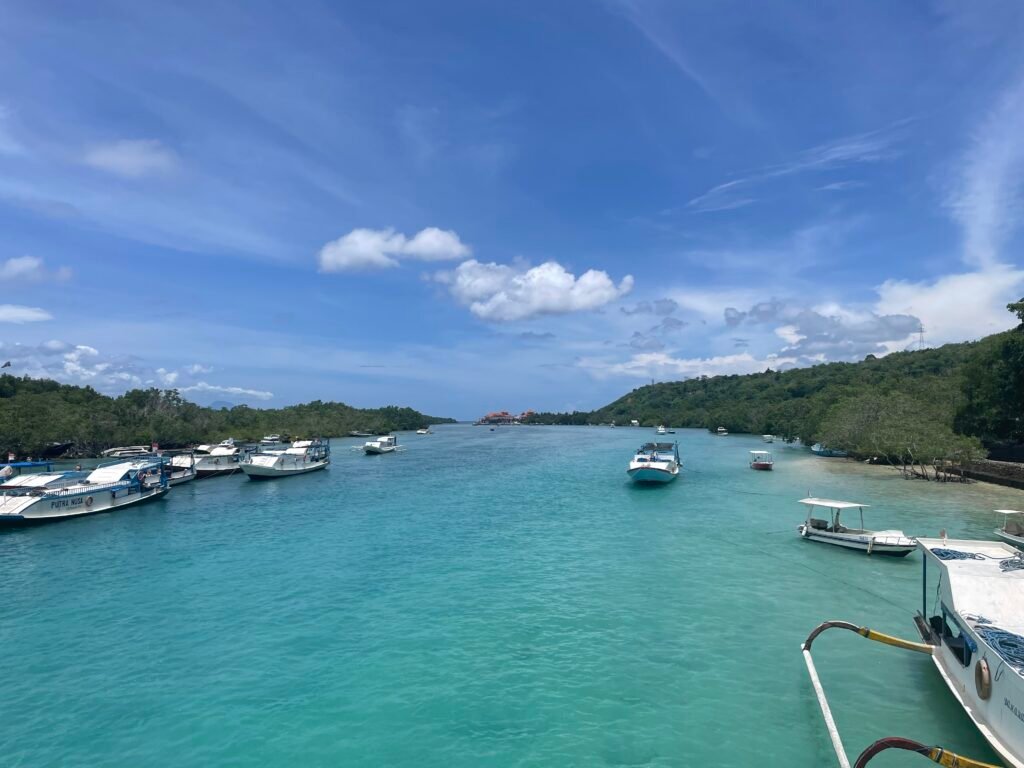
One of the benefits of our style of travel is flexibility to determine our travel plans on the fly. Having really settled into a more relaxed routine, we’d decided to pause for one night in Padang Bai, breaking up the journey and allowing us a bit more time to enjoy breakfast and a swim in Amed before setting off. As usual I searched and found a budget hotel in the town via Booking.com which would be close enough to walk to the ferry the next morning. Wayan had booked our ferry tickets for us and would give us a ride to Padang Bai for an agreed price, dropping us at the door of our next hotel, The Green Murta.
Our journey to Padang Bai went as planned with the exception of seeing the aftermath of a lorry vs tree crash, we arrived at our planned hotel. The hotel was clean and beautifully air-conditioned so we were soon ready to unpack. That didn’t last long, we quickly realised that in the process of booking a few hotels for the next phase of the journey I’d booked this one for today’s date but in the following month! Fortunately the host was gracious and kindly found us accommodation at his friend’s home stay since his own hotel was fully booked.
Our now ‘not hotel host’ contacted our new accommodation who quickly sent transport to pick us up. Needless to say, this is Asia and two tiny scooters turned up within minutes. Being a bigger bloke, I’ve never really fancied having a backie on a scooter, certainly not with a little guy half my size at the helm, but beggars can’t be choosers, so I jumped on and endured the near vertical ascent up the hill to our new home stay.
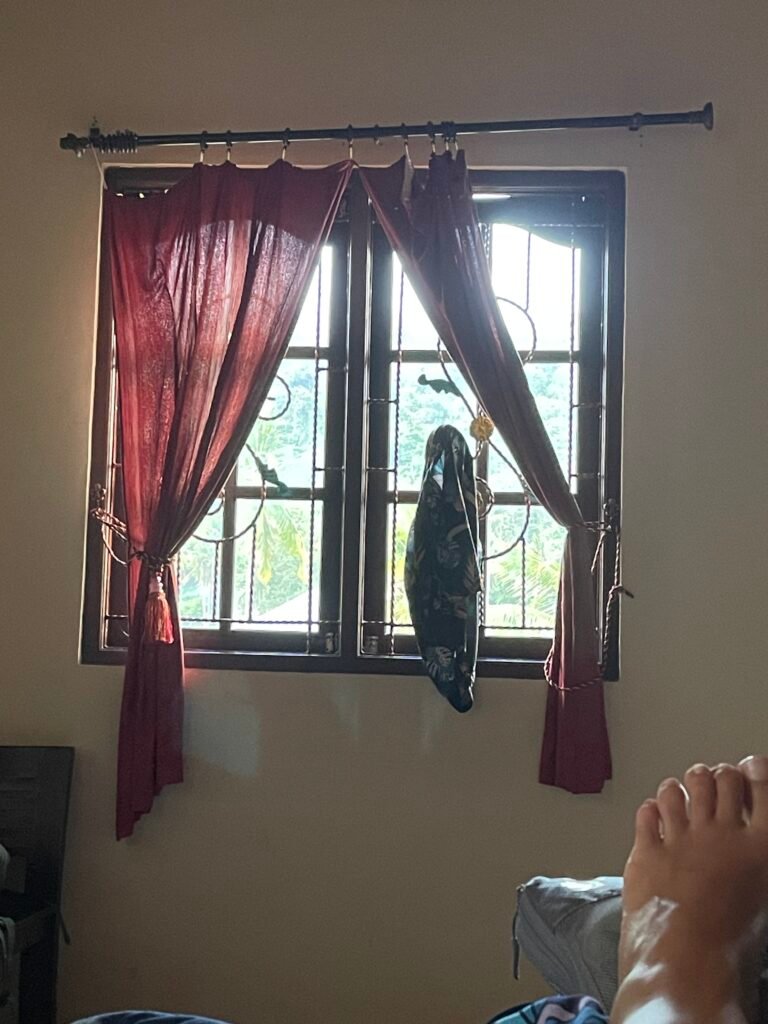
So far all our hotels have been great — clean, tidy, with great locations. This one didn’t quite meet the same standards. A room on the upper floor of a house with peeling paint, broken furniture and questionable bedding greeted us. The room just about met our minimum standards but the bathroom was awful. Having endured a two hour journey to get to Padang Bai and the death-defying scooter ride we definitely didn’t want to go on the hunt for a new hotel, so we decided to grin and bear it.
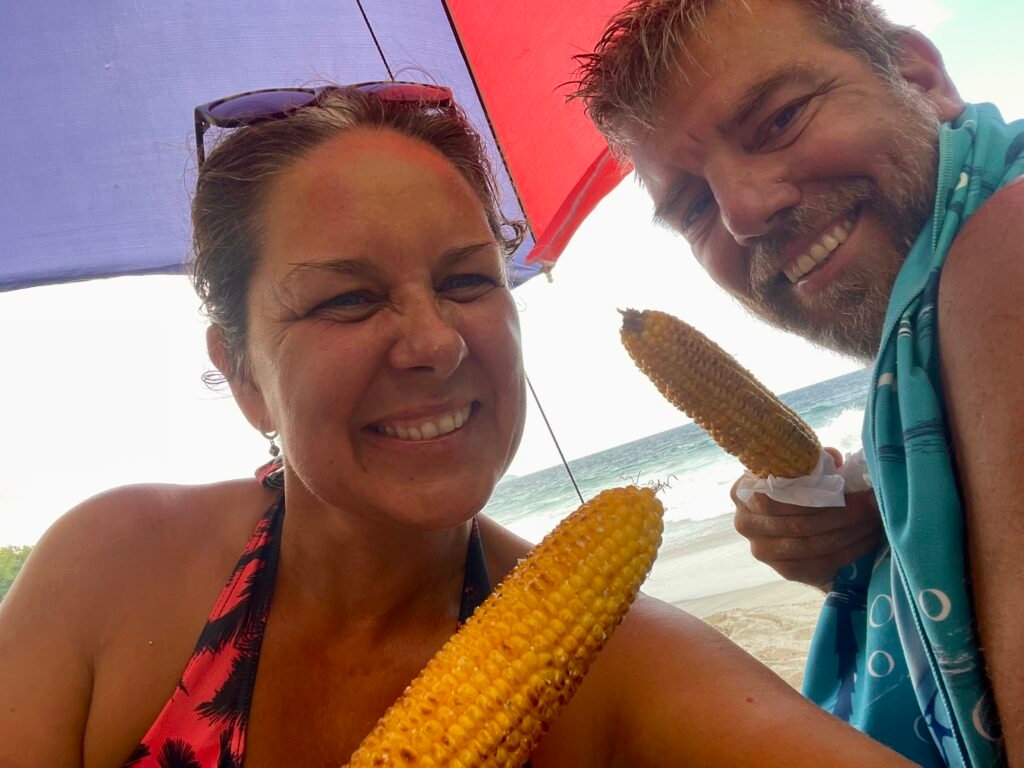
That afternoon we visited the ‘famous’ White Sand Beach located right next to the bay entrance. The waves were large and powerful, so snorkelling was out of the question, but we enjoyed some amazing corn from a local vendor. The beach was worth the visit but it’s a hell of a climb to the entrance and there’s a small charge of around £0.50 to get down to the beach. We were hot and sweaty again by the time we got back to the hovel so we had to endure the filthy shower and dribble of tepid water.
To our surprise and relief there was an excellent Italian restaurant, the Blu Oceano, right next door. We had a superb meal although we blew the food budget for a night.
Following a fairly uncomfortable and sleepless night we gathered our packs and got another hair-raising scooter lift to the ferry port for our 8:30am departure. Padang Bai might not have been our favourite stop, but it definitely added a few stories to the journey
Gili Trawangan to Gili Meno
Wayan from our hotel in Amed had kindly booked our ferry to the Gilis. Unfortunately, whether lost in translation or just lost, he’d only booked us to Gili Trawangan, not onwards to Gili Meno. No big deal — we’d read there was a public ferry between the islands. Easy fix, we thought.
The 90-minute ferry from Padang Bai to Gili T takes you up the east coast of Bali before crossing over to Lombok. Ours was fully enclosed — no deck access, but thankfully air-conditioned (perhaps a little too air conditioned). Seating was tight, airline-style, but fine for a short hop.
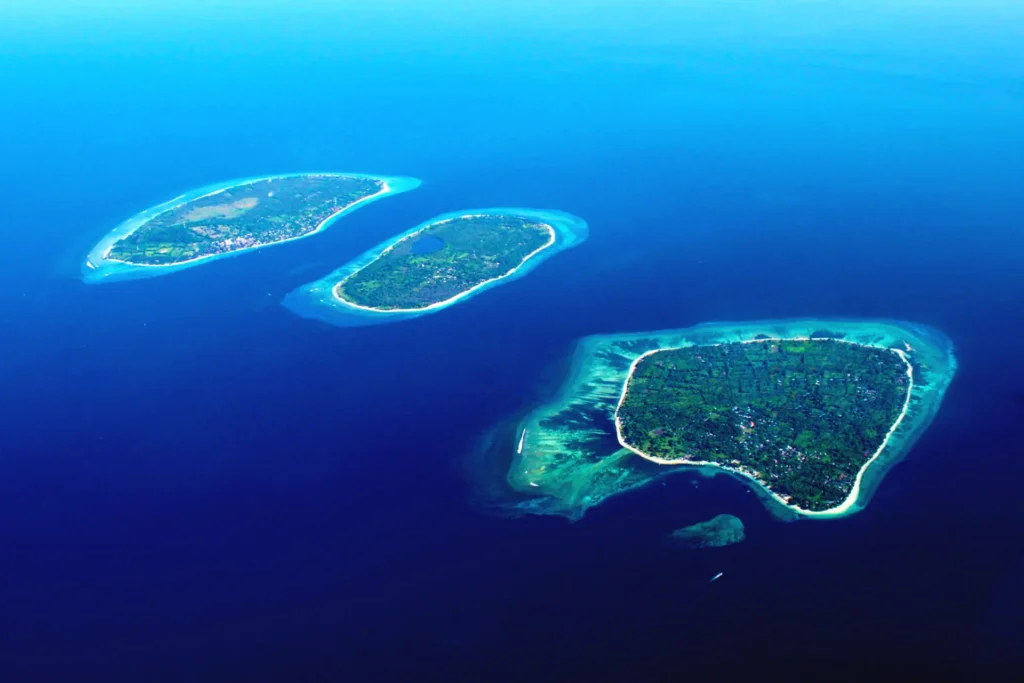
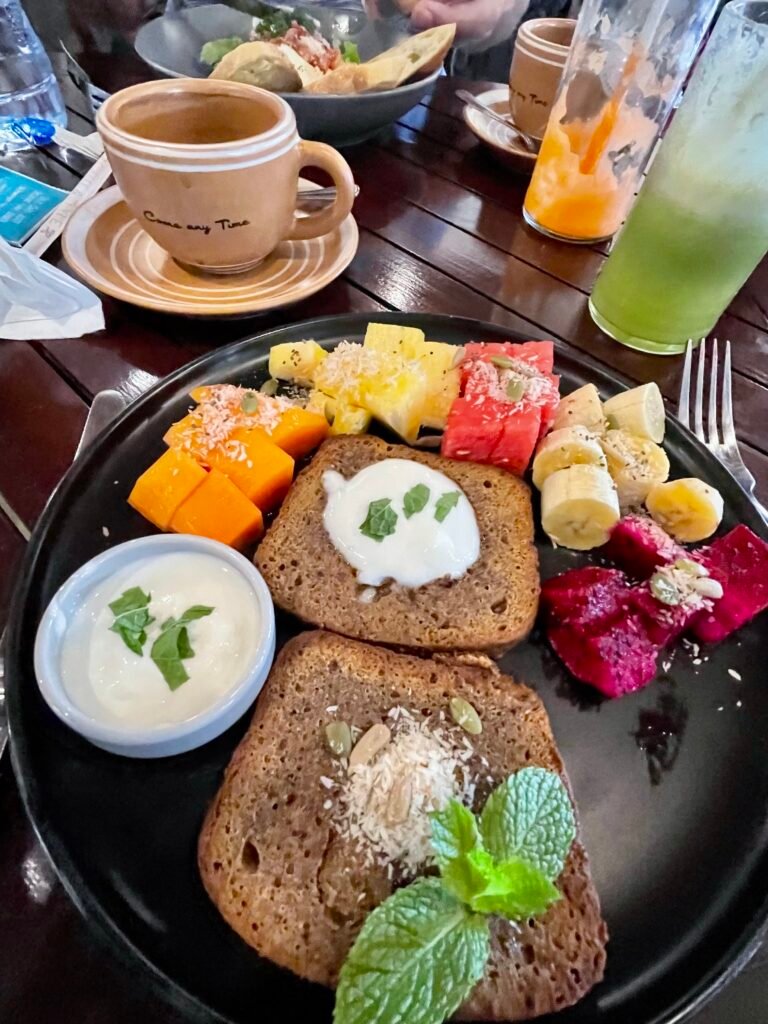
Once on Gili T, we grabbed our bags and immediately booked the local ferry to Meno, leaving us an hour to explore. Gili T and Meno may only be 800 metres apart, but as we soon discovered, they’re worlds apart in character. The main strip of Gili T was buzzing — full of cafes, bars and sun-tanned twenty-somethings. The streets leaving the ferry were packed with backpackers and waiting horse-drawn carts. We ducked into Coffee & Thyme for excellent eggs, world class banana bread and fresh juices before our short island-hop.
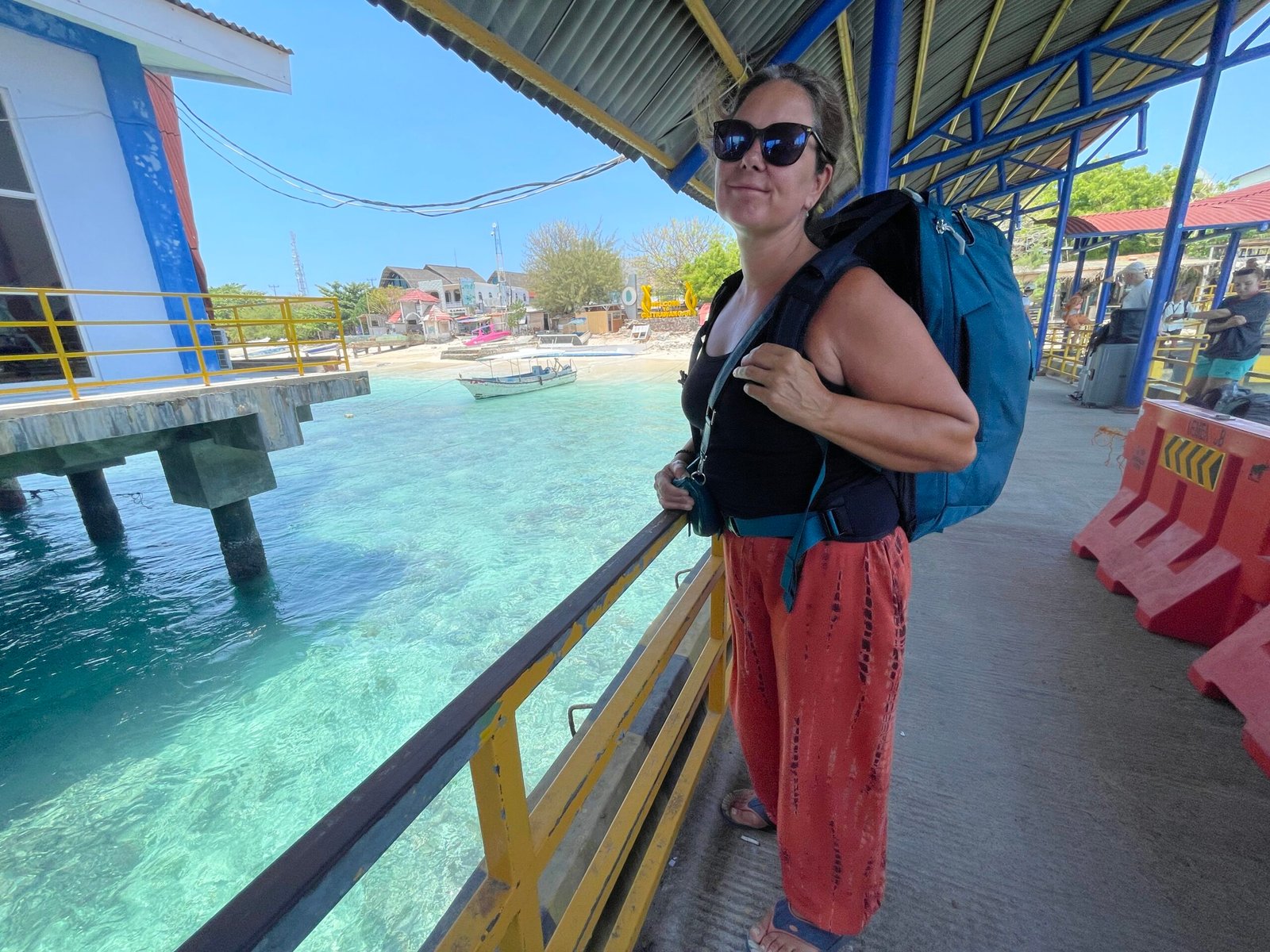
Arriving on Gili Meno, the pace dropped dramatically. The dock is charmingly simple — a small pontoon, a ticket booth, and a handful of stalls. No cars here or on any of the Gilis; just bicycles, a few horse-drawn carts and battery scooters that look suspiciously like children’s toys. Our hotel, Gili Meno Mojo Beach Resort, was a ten-minute walk away — or, as we discovered, the Gili equivalent of an hour in a UK gym. By the time we reached reception, we’d felt like we’d sweated out our own body weight.
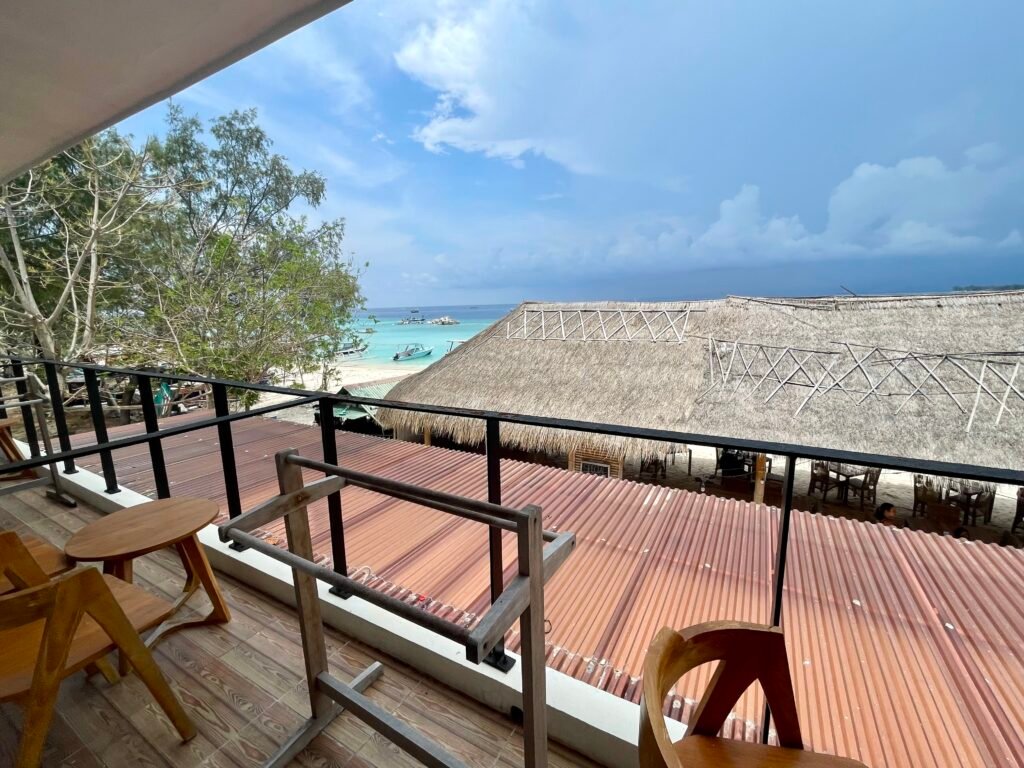
Cold welcome drinks and cool air awaited us, along with several JCBs digging up the beach directly in front of the hotel. Ominous. Still, our first-floor room was great — modern, comfy, and far nicer than the “characterful” homestay from the night before. The only downside? Our “sea view” was largely blocked by the restaurant roof. The ground floor rooms had the view, but also everyone passing and restaurant guests staring in. You can’t have it all.
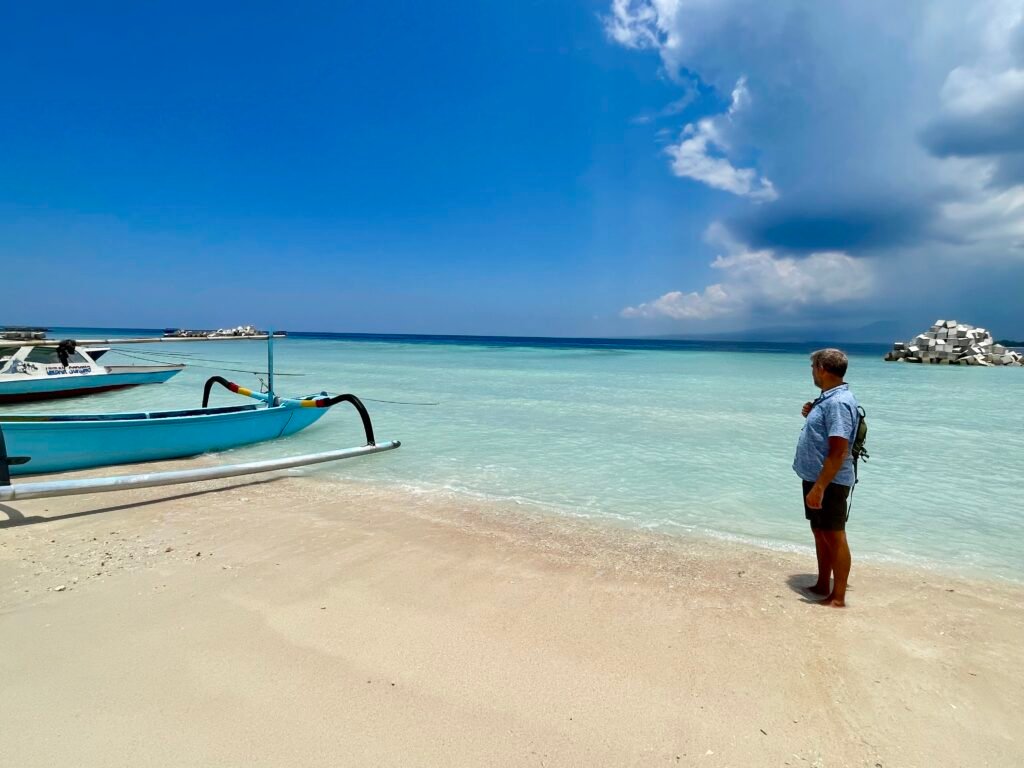
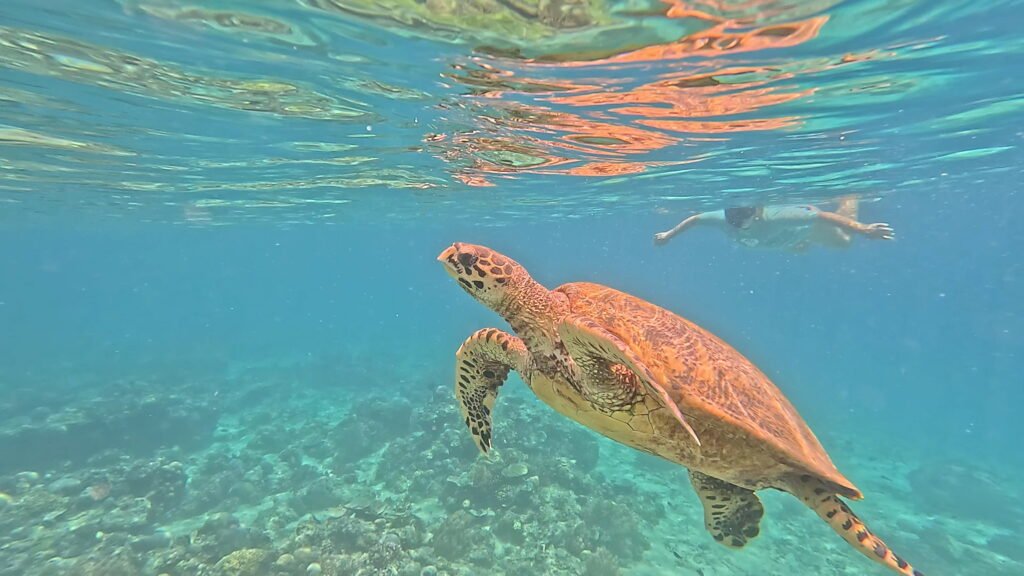
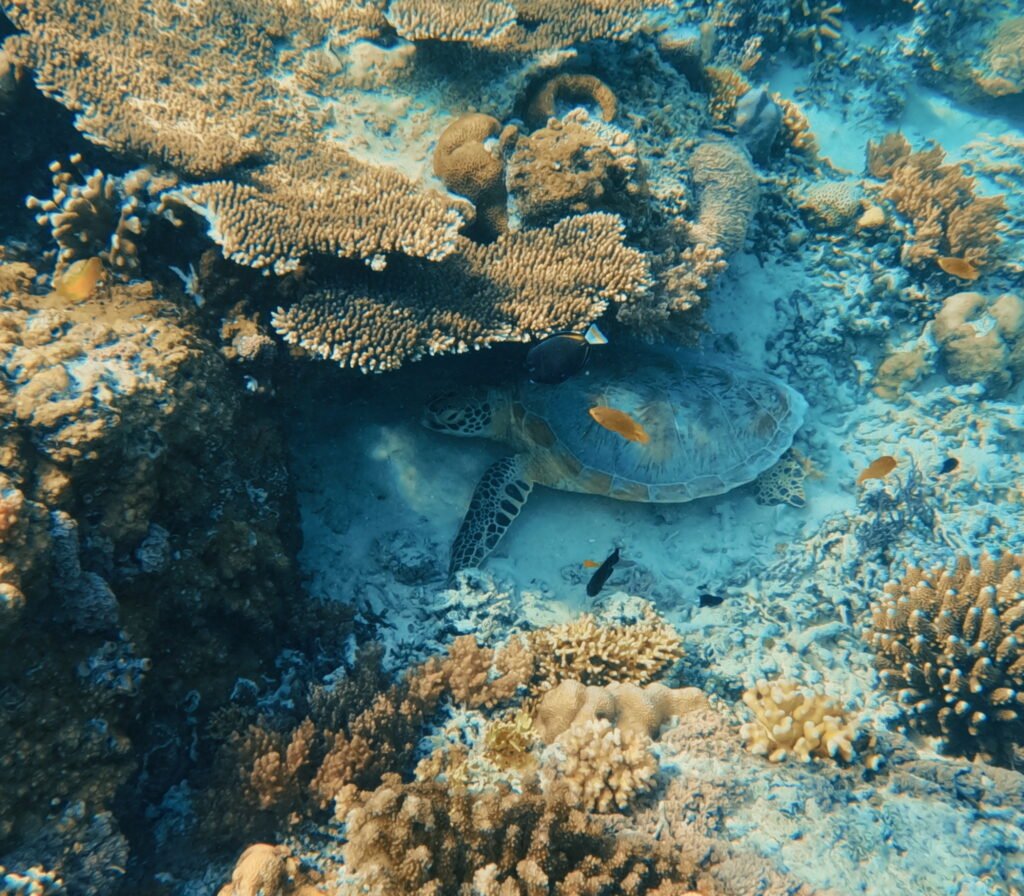
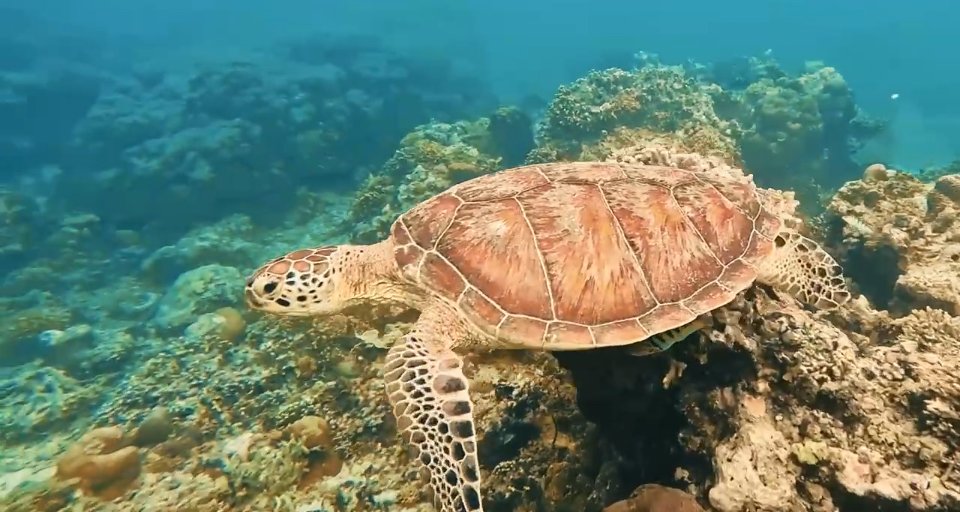
We dumped our bags and headed straight for the sea — where, within minutes, a turtle glided past just a few metres from shore. Cue mad scramble for snorkels. The reef right outside the hotel was thriving, full of colour and life, and we snorkelled there daily, nearly always spotting turtles and an impressive array of marine life.
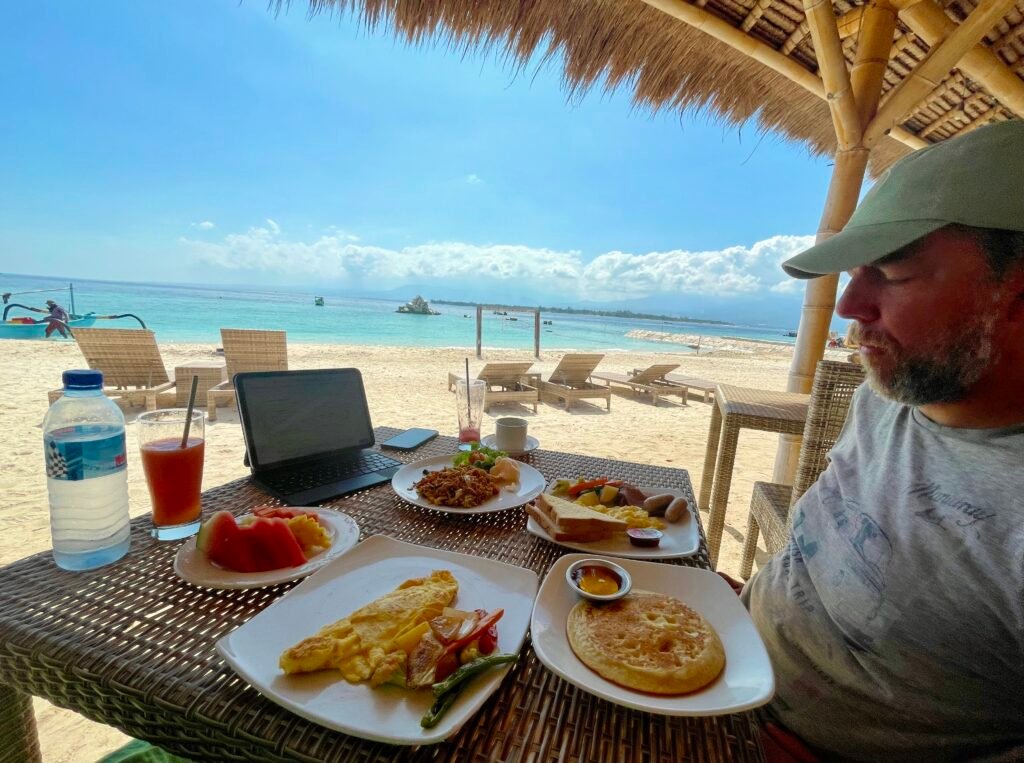
Dinner that first night was at the hotel. The food was decent, but the “fancy bistro” attempt — big plates, small portions, average flavour — didn’t quite cut it. Breakfasts, however, were excellent: huge portions, lots of choice, and coffee that… well, let’s just say it’s an acquired taste.
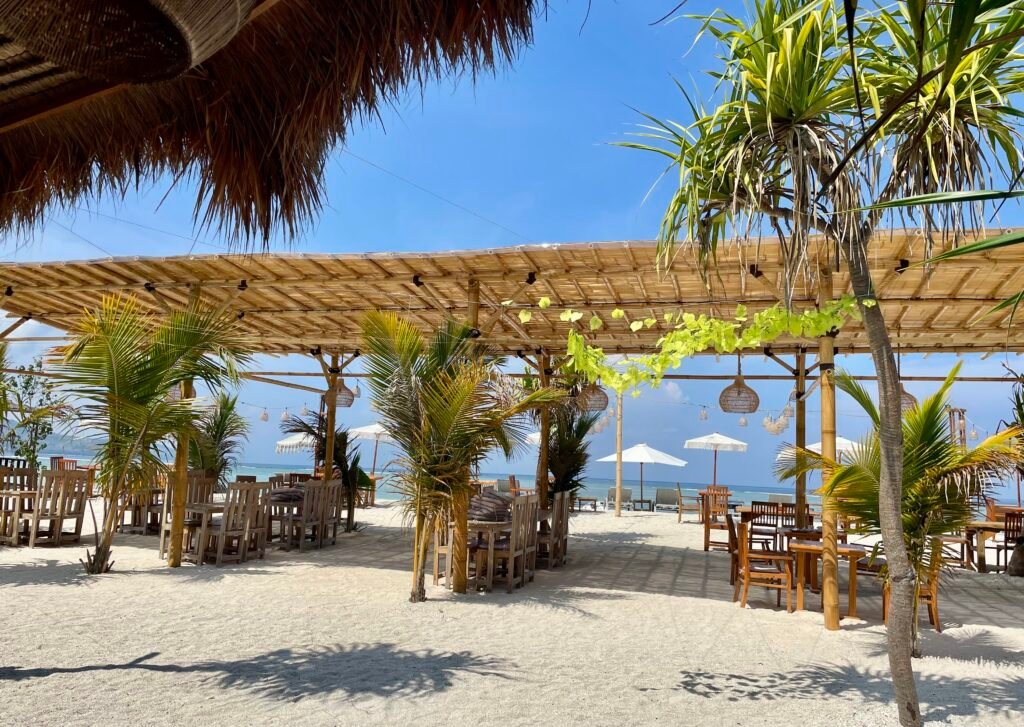
The island’s west coast is the sunset side and home to most of the action — beach bars, resorts, and a relaxed evening buzz. It’s about a 10–15 minute walk across the island. On the way, we passed tiny hamlets, chickens, and the odd warung. There’s even a lake near the west shore, complete with a half-collapsed boardwalk that must once have been lovely.
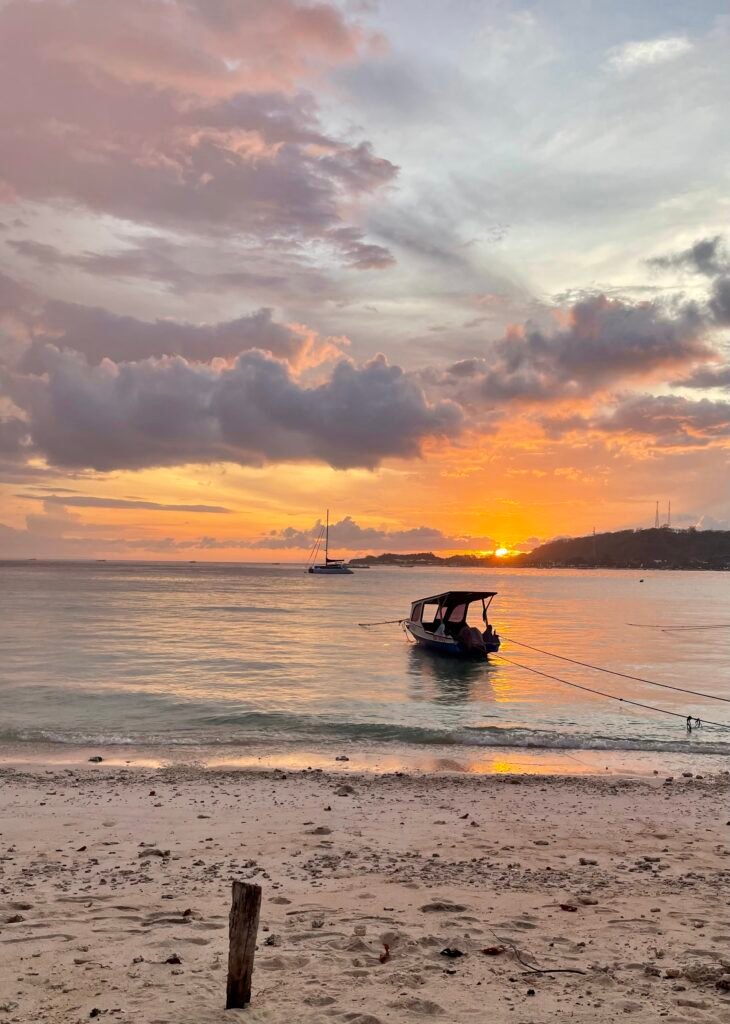

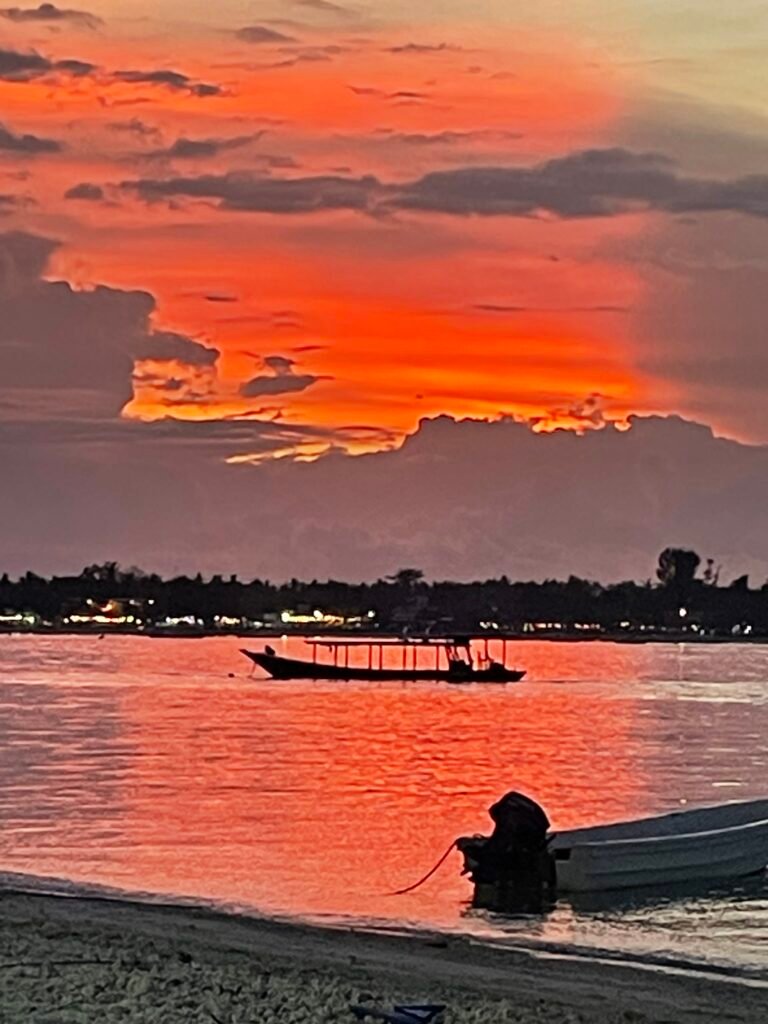
Dinner night two was on the west side — cocktails on beanbags watching the sky turn gold, followed by Mexican food in a brand new restaurant that was fine, but not quite worth the price tag. We spent the next few days alternating between east-side peace and west-side sundowners, finding new snorkel spots, laid-back cafes and decent eateries all around the island.
Unfortunately, our perfect beach escape came with the soundtrack of construction noise. The diggers we’d ignored on day one turned into full-blown night shift workers by day three. At 2:30am the machinery fired up again, and sleep was not an option. Thankfully Tara had earplugs which helped us grab a few more hours.
We considered complaining but suspected the hotel was as powerless as we were sleepless. They told us the breakwater would be done “within a week,” but after five days of watching, we weren’t convinced they’d even finish this year.
By the final night, we were feeling pretty sleep-deprived, packing our bags to the backing track of a diesel engine. It was a shame — the hotel itself was good, the staff friendly, and the snorkelling outstanding. Once the building work’s over, it might actually live up to its setting (though they might want to rethink that restaurant roof).
Overall, Gili Meno wasn’t quite the untouched paradise we’d imagined — but it’s still a slice of tropical magic. The beaches are clean enough, the sea life spectacular, and the vibe blissfully calm. For great food, we’d highly recommend Bubbles Bar & Restaurant at Divine Divers for its service and fair prices, and the family-run Warung Licung Bamboo for outstanding local dishes (and a well-earned 4.9 rating).
We left Meno unsure whether we wanted more life, more sleep, or just more coffee. Luckily, our next stop — Gili Air — promised a little of all three.
Gili Air – Turtles, Sunsets and Boom Boom Boom!
The public ferries between the Gilis had thankfully been easy — schedules reliable and crossings short. The hop from Gili Meno to Gili Air was no different: the boat turned up within minutes of its ETA, we climbed aboard, and fifteen minutes later we were stepping into chaos.
After five days submerged in Meno’s tranquillity, the harbour at Air hit like a ton of bricks. Within minutes we’d seen more people than during our entire stay on Meno and narrowly avoided being flattened by horse-drawn carts, electric scooters and throngs of backpackers. It wasn’t quite mayhem, but it was definitely a wake-up call.
Another sweaty trudge along the beach path took us to our next stay — Salabose Cottage. Somewhere between Meno and Amed we’d had a moment of questionable judgement (overwhelmed, careless, possibly tipsy) and decided to book a few hotels ahead. In doing so, we’d crossed a red line and dropped our Booking.com review filter below 8.0. A fundamental error, as it turned out.
Along the foreshore we passed cool-looking beachfront hotels, pretty villas and a few vast, shut-down resorts. The vibe was good, the bars and restaurants plentiful — things were looking positive. That optimism lasted right up until we arrived at Salabose. Other than the abandoned resorts, nowhere had fewer guests — though to be fair, those derelict hotels probably had cleaner rooms.
We’d booked a “beachfront bungalow,” picturing lazy evenings on the veranda watching the sunset with a drink in hand. Not quite. The path ran just a few feet from our door, and beyond that, the hotel’s restaurant and bar blocked the sea view entirely. The room itself was another story: dirty floors, broken doors, grubby mosquito nets and stained sheets — and that was before we discovered the fridge’s thriving ecosystem. The mouldy curtains were so thick with growth they probably blocked UV light better than SPF 50.
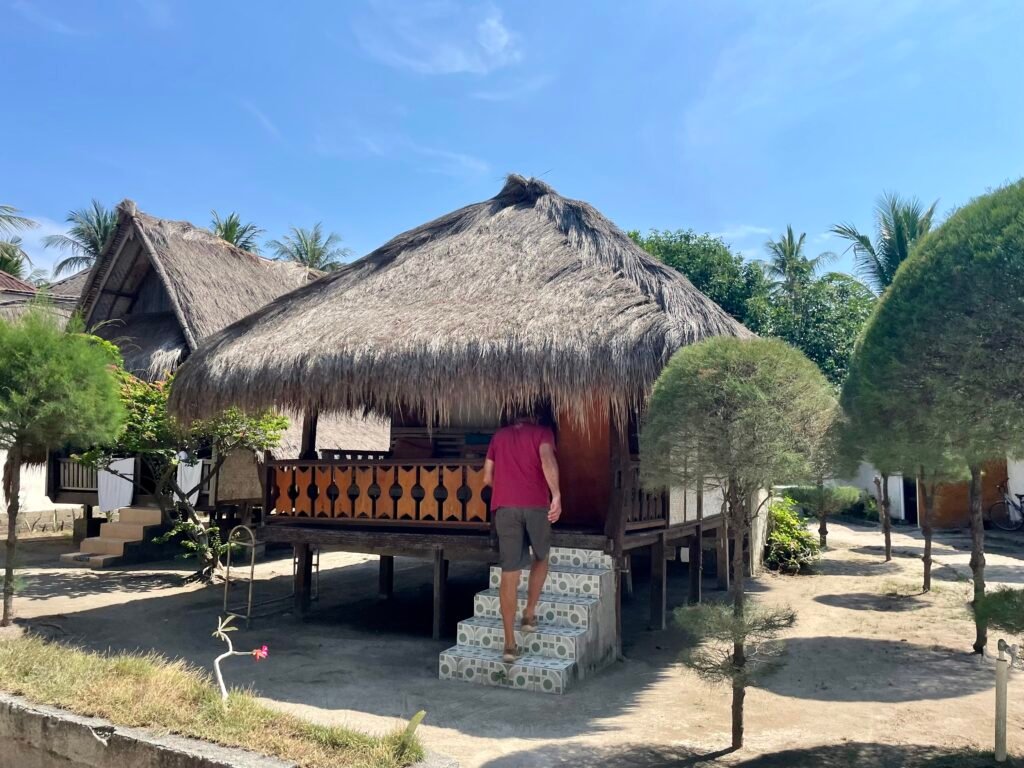
We asked to move rooms but were told the place was full until the next day. Already exhausted from the construction-filled nights on Meno, we reluctantly stayed put — sleeping fully clothed so we didn’t have to touch the sheets.
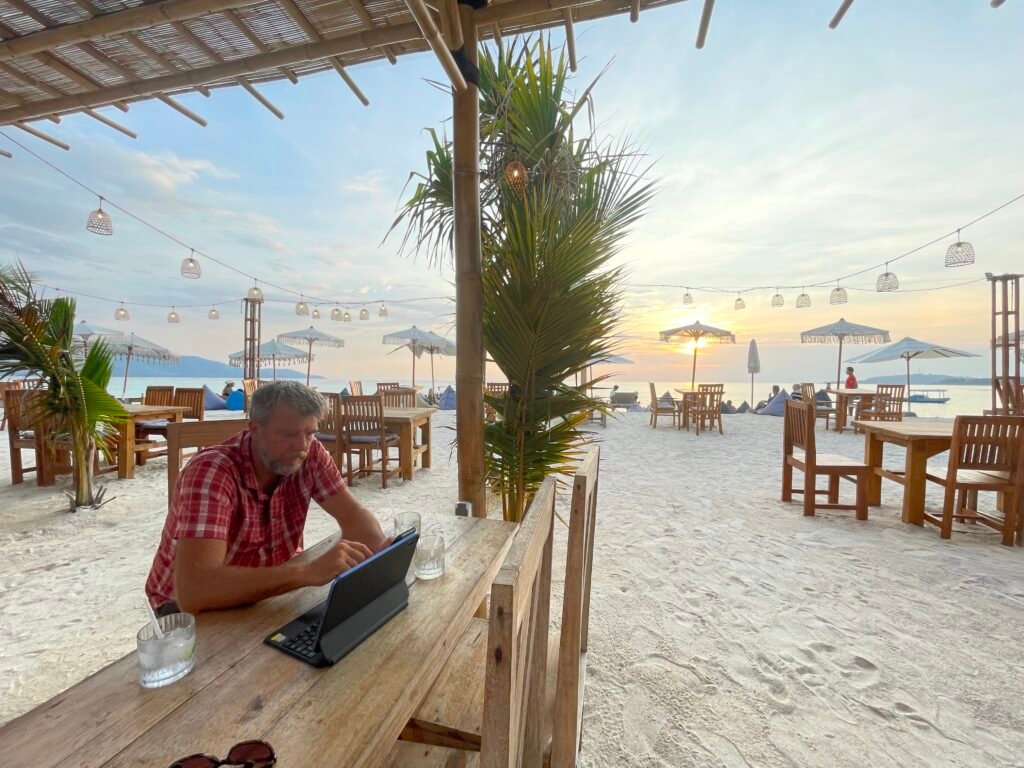
There were a few saving graces. The sunsets from the bar were glorious, and with beanbags at the water’s edge serving gin and tonics for £2.50, it was hard to stay too grumpy. Shame about the food, though. My “safe” veggie pizza was truly awful, and Tara’s fish taco so spicy it could have been used in riot control.
Thankfully, the pool was the complete opposite — clean, calm and well-maintained, surrounded by high walls and plenty of sunbeds. It became our sanctuary over the next few days, an escape from both the heat and the hotel room horrors.
When we finally moved rooms the next morning, things improved slightly. The non-beachfront room was larger, cleaner and had working doors and windows. The fridge was still a no-go zone and we avoided the mosquito nets like a crime scene, but it scraped into our “good enough to stay” category.
Gili Air itself is a mix of lively Gili T and mellow Meno. The sunset side leans into beach clubs and nightlife, while the sunrise side has more relaxed restaurants and bars. The endless boom boom boom from competing beach bars began before midday and rolled into the night — though to be fair, it usually stopped by 11 p.m. We’re fine with a bit of background music, but dozens of bars all competing for attention gets old fast.
That said, the island has charm. It feels more like a village, with boutique shops, cafés and small markets tucked into a few narrow streets. It’s managed to hang onto its island soul while embracing tourism, though it’s clear the spillover from Bali will only make it livelier in years to come.
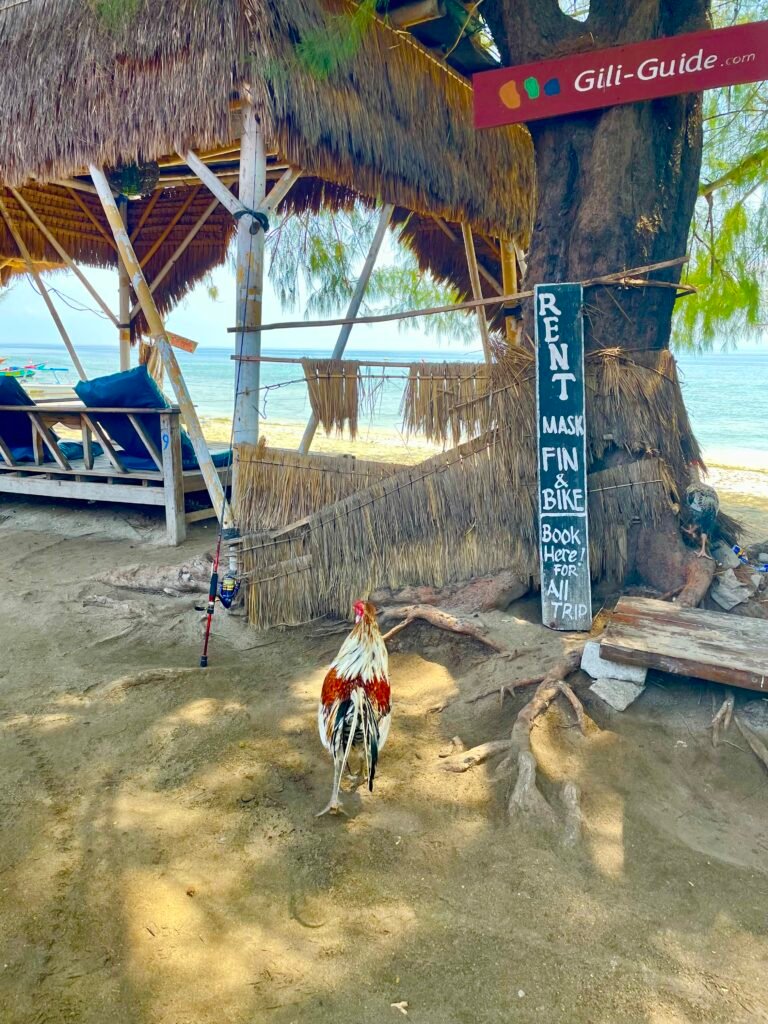
The waters around Gili Air are as varied as the island itself. The east side is shallow and seagrassy, while the west boasts deeper water and stunning coral gardens. We much preferred the west — amazing snorkelling and loads of turtle sightings. Unfortunately, the best spots get busy with day-trippers flailing around and standing on coral but head out a little deeper and it’s pure magic.
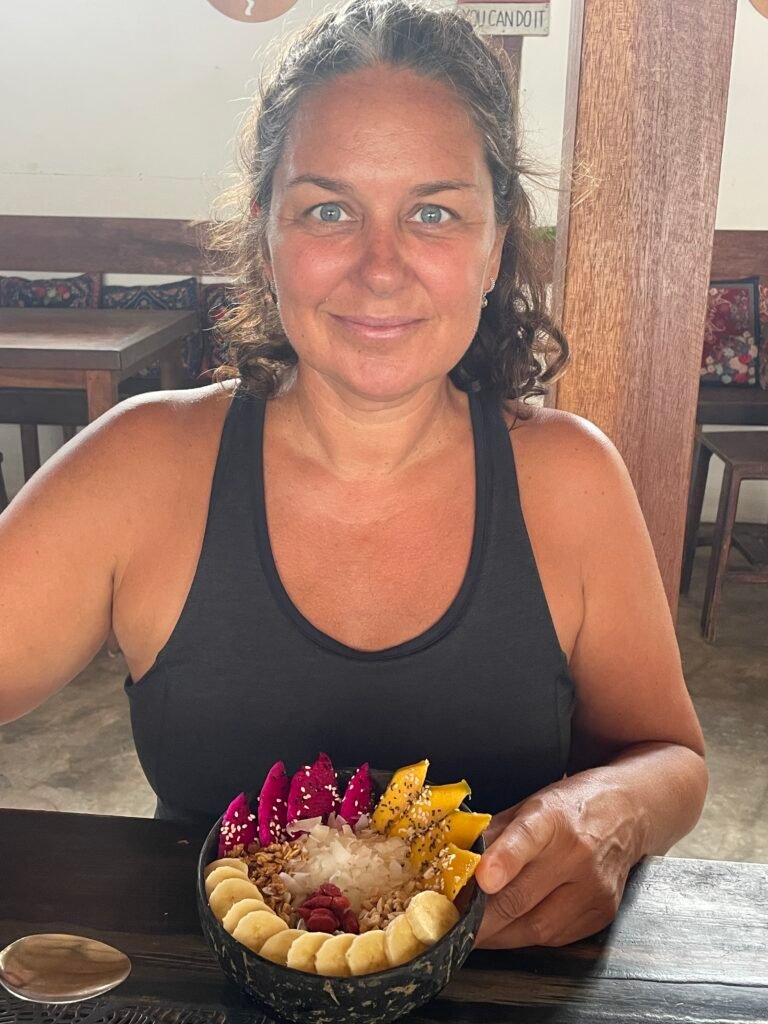
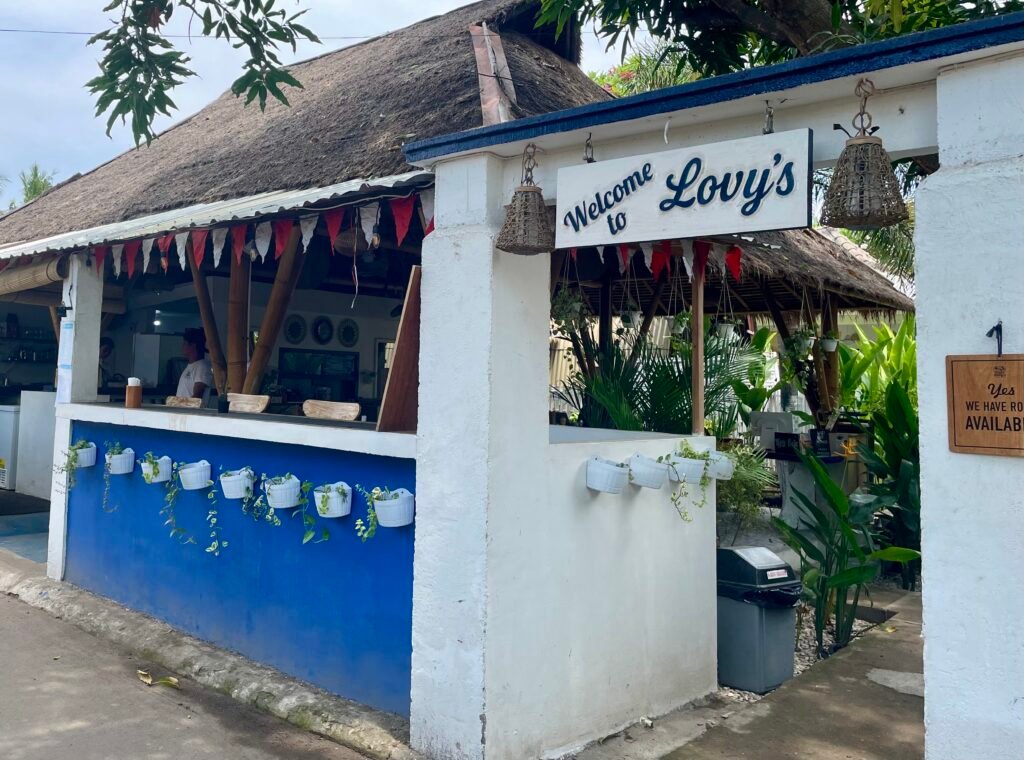
We ate our way around the island, determined to find something a bit healthier (and edible). Captain Coconuts, a few streets back from the east shore, offered great Buddha bowls and fresh food. Aura Bowl did a brilliant breakfast smoothie bowl topped with granola and fruit. Lovys became our go-to coffee stop, and Mama’s Pizza — easily the best pizza on the island — was so good we went twice.
For local food, Warung Orange was the standout. Just off the main street, it’s family-run and incredibly welcoming. We had delicious Indonesian curry and rice, plus a free dessert — all for under £8, bargain.
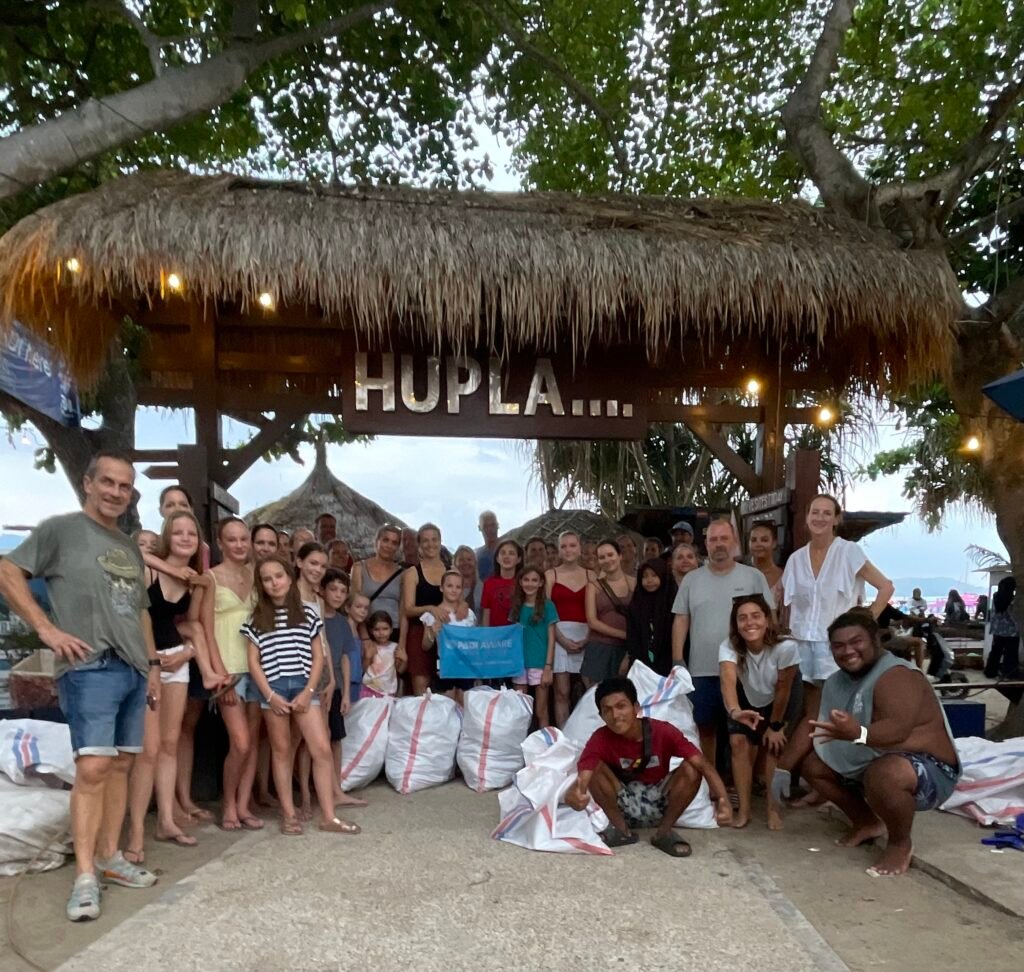
The only real disappointment on Gili Air, aside from our hotel, was the rubbish. Plastic littered the beaches and paths, something we hadn’t expected to see in such a beautiful place. Friends told us about a beach clean-up run by Oceans 5 Dive Centre, so we joined in. The promise of a free beer probably helped recruit the thirty or so volunteers, and within 45 minutes we’d filled six huge sacks of rubbish from just 300 metres of beach. Depressingly, they do this every Friday and always collect about the same amount. At least the cold beer softened the blow — and it felt good to do something useful.
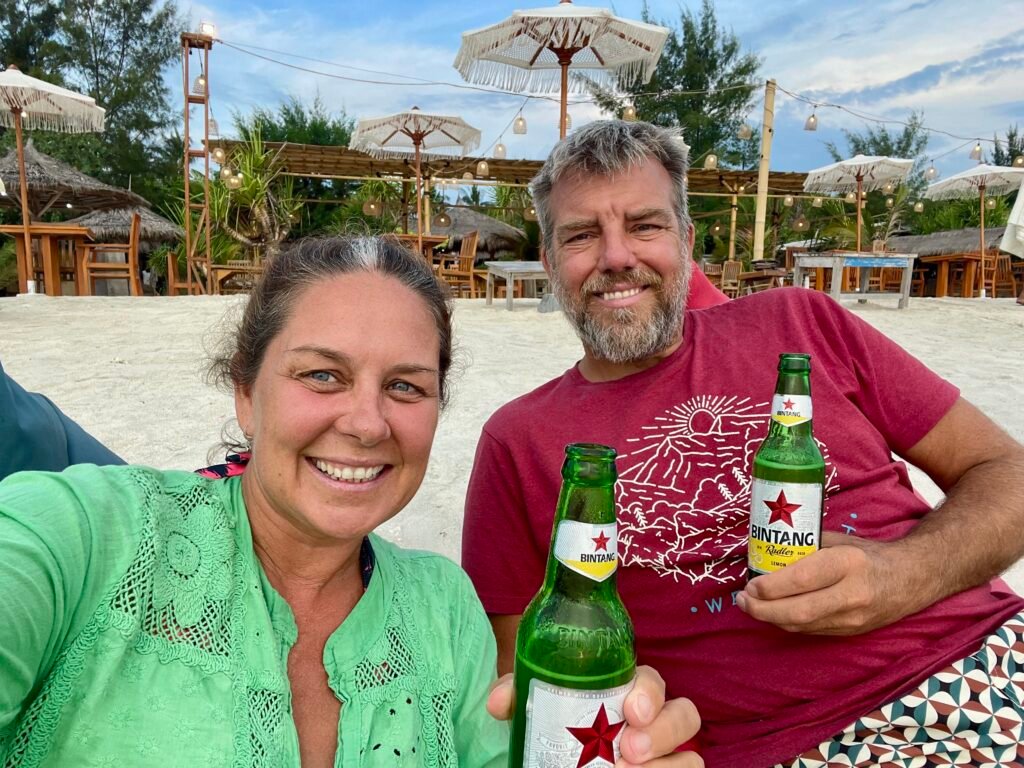
On our final night, we returned to the beanbags at Salabose, Bintang’s in hand, watching the sky burn orange over the water. Reflecting on our time across the Gilis, we’d probably relaxed a little too much, chilled more than we’d planned, and maybe not explored as much as we should have — but that’s island life.
As the sun finally dipped below the horizon, we were ready to trade beach bars for mountain roads and start exploring Lombok. Click below for the next part in the series – Part 3.